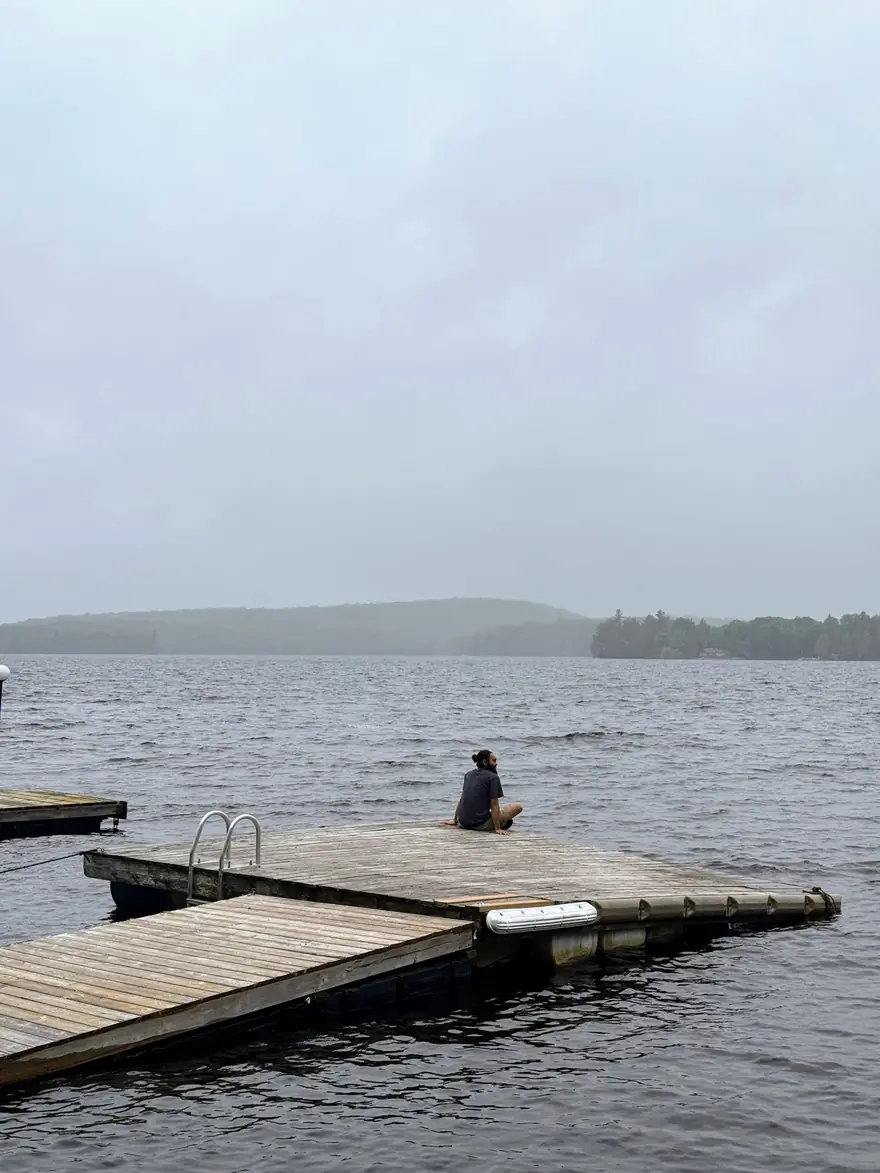
I've spent the last few months deployed on a telecom project in Manitoba — different Airbnbs every few weeks, work sites scattered across the province, living out of a suitcase and a crew vehicle. Somewhere between the packing cubes and the 6 a.m. alarms, it hit me: traveling for work is just project management with worse sleep.
Here are five things the road taught me.
- Pack light, plan heavy.
Everything you carry is scope. Every extra item is a dependency you have to track, protect, and haul through airports. I learned to lay out the whole trip before opening the suitcase — the same way I'd never start a project without a work breakdown structure. The plan does the heavy lifting so the bag doesn't have to.
- Buffers aren't pessimism. They're professionalism.
I once missed a 7 a.m. flight by four minutes — arrived at the counter just past the bag-drop cutoff and watched my itinerary fall apart. Now I build buffers into everything: leave for the airport like the flight leaves an hour earlier than it does, pad every drive by thirty minutes. On projects it's the same. The contingency you never use is the cheapest insurance you'll ever buy.
- Routines are portable infrastructure.
Hotel, Airbnb, crew house — the walls change, the routine doesn't. Same wake-up time, same morning sequence, same shutdown ritual at night. When everything around you is unfamiliar, a fixed routine is the one system you fully control. Teams work the same way: standups, checklists, and handoffs hold a project together when the scope keeps shifting.
- Know your next three moves.
Before I land anywhere, I know three things: how I'm getting from the airport, where I'm sleeping, and what the first morning looks like. Not the whole trip — just the next three moves. It's the travel version of rolling-wave planning. You don't need the entire future mapped; you need the near term locked down and the far term roughly sketched.
- Document as you go, not when you get home.
Receipts fade, memories blur, and 'I'll log it later' is how expenses go missing. I photograph every receipt the moment I get it and keep a running note of where I've been. Projects punish the same habit — the handoff written from memory three weeks later is fiction. Capture it while it's fresh.
The road rewards the planner and punishes the improviser. Every trip I've taken has made me better at the job I do when I'm not traveling — because in the end, a project and a journey are the same thing: a destination, a deadline, and everything you chose to carry with you.
Join the conversation.
What connects with your experience? Share a perspective or a question.
Loading discussion…